
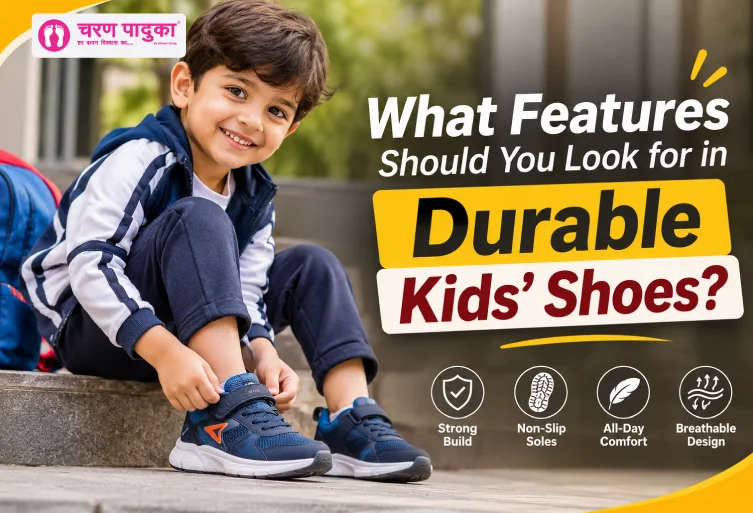
Children are always on the move. From running around school playgrounds and playing with friends to climbing stairs and enjoying outdoor activities, their shoes experience considerable wear and tear every day. Unlike adults, children rarely pay attention to where they step or how they treat their footwear. As a result, ordinary shoes can quickly develop damaged soles, loose stitching, worn-out toe sections and uncomfortable interiors. For parents, replacing footwear frequently can become an unnecessary expense, particularly when shoes lose their shape before children outgrow them. This is why choosing Durable Kids’ Shoes is an important part of making practical footwear decisions. However, durability is not just about thick soles or heavy materials. Children’s footwear should also provide flexibility, breathability, proper fitting and enough comfort for everyday activities. If you are looking for quality kids’ footwear in Ajmer, understanding the essential features can help you select shoes that offer a suitable combination of comfort, construction and long-term usability. Here are the important things every parent should consider before purchasing children’s shoes.
1. Strong Soles, Reinforced Toes and Quality Construction
The outsole is one of the first features parents should examine when purchasing durable kids’ shoes because it comes into direct contact with different surfaces throughout the day. Children regularly walk, run and play on school floors, pavements and playgrounds, so their footwear needs to handle continuous friction. Good-quality rubber outsoles are often a practical option because they can provide a combination of traction, flexibility and abrasion resistance. Look for textured patterns underneath the shoe, as these can improve grip and provide better contact with everyday surfaces. Extremely smooth soles may offer less traction, while excessively stiff soles can make natural walking movements uncomfortable. The ideal footwear should have a well-constructed outsole that provides dependable grip without restricting the child’s ability to walk, run and play freely. Another important area is the toe section, which frequently experiences damage when children kick objects, drag their feet or play outdoors. Reinforced toe caps, protective rubber overlays and strong front construction can help prevent premature damage to the upper material. However, protection should never come at the cost of comfort. The toe box must provide enough space for natural toe movement without creating unnecessary pressure. Parents should also examine the edges around the front section for loose panels, uneven stitching or visible gaps. A rounded and appropriately shaped toe area is generally a practical choice for everyday footwear because it allows the toes to sit comfortably inside the shoe. When comparing durable kids’ shoes, look for a balance between front protection, flexibility and proper fitting rather than judging quality by appearance alone. The overall construction of footwear also determines how well it handles regular use. The upper material should be strong enough to withstand repeated movement while remaining comfortable against the skin. Leather, quality synthetic materials, canvas and breathable mesh are common choices, each offering different benefits depending on the shoe’s design and manufacturing quality. Examine the stitching around the toe, sides and heel to check whether the seams are neat and securely finished. Loose threads, uneven stitching and poorly attached panels may indicate construction issues that could become noticeable after repeated use. Also inspect where the upper section meets the sole for signs of separation. Some well-made shoes use strong adhesive bonding instead of visible stitching, so the absence of stitching does not automatically mean poor quality. Choosing footwear with dependable materials, secure construction and suitable flexibility can help parents get better everyday value.
2. Comfort, Breathability and the Right Fit for Growing Feet
Durability alone does not make a shoe suitable for children. Since they often wear the same footwear for several hours at school and during outdoor activities, comfort should receive equal attention. Breathable materials help improve air circulation inside the shoe and can reduce the feeling of excessive warmth and moisture. Mesh panels, perforated sections and suitable inner linings are useful features to consider, particularly during warmer months in Ajmer. Soft interior materials also matter because rough seams and poorly finished edges can cause rubbing or irritation while walking. The insole should provide appropriate cushioning without making the shoe excessively soft or unstable. Parents should examine the interior carefully and check for hard sections, loose threads or uneven surfaces before making a purchase. A comfortable pair of durable kids’ shoes should feel pleasant from the inside as well as look well-constructed from the outside. The heel section is another feature that contributes to the overall fit and structure of children’s footwear. A reasonably firm heel counter helps maintain the shoe’s shape and keeps the heel comfortably positioned during regular movement. Parents can gently press the back of the shoe to check whether it maintains its structure instead of collapsing immediately. However, the heel should not be excessively rigid or rub against the child’s skin. Ask your child to walk around in the footwear and observe whether the heel remains comfortably in place without repeatedly slipping out. The fastening system also plays an important role in maintaining a secure fit. Velcro straps are convenient for younger children, while elastic laces and traditional laces can be suitable for older children depending on their independence and preferences. Whatever the fastening style, it should hold the foot securely without creating excessive pressure. Selecting the correct shoe size is equally important because children’s feet grow quickly. One common mistake parents make is purchasing significantly larger shoes so children can continue wearing them as their feet grow. Although some additional room is necessary, excessively large footwear can move around while walking and create friction. Shoes that are too tight can place pressure on the toes and make regular activities uncomfortable. Ideally, the toe box should provide enough space for natural movement without allowing the foot to slide excessively inside the shoe. Parents should measure both feet while the child is standing and choose footwear according to the larger foot. It is also useful to ask children to walk around in their new shoes before purchasing them. Watch for signs of discomfort, redness, heel slipping or difficulty putting the footwear on. The American Podiatric Medical Association offers additional guidance on buying children’s footwear. Remember that a properly fitted pair is more valuable than an expensive design that does not match your child’s foot shape.
3. Choose Shoes According to Your Child's Daily Activities
Every child follows a different routine, so the ideal footwear depends on how and where it will be used. A school-going child who spends most of the day in classrooms and corridors has different requirements from someone who regularly participates in outdoor sports. For school use, parents can consider comfortable sneakers or well-constructed school shoes with dependable soles, secure fastenings and breathable interiors. Children who enjoy playground activities may benefit from reinforced toe sections, suitable grip and flexible construction. Sports footwear should be selected according to the specific activity because running, football and court sports place different demands on shoes. For everyday casual wear, lightweight designs with comfortable interiors and easy-to-maintain materials can be practical options. Choosing footwear according to its intended purpose helps avoid unnecessary wear and makes it easier to find a pair that suits the child’s lifestyle. Weather conditions should also be considered when purchasing children’s footwear in Ajmer and nearby areas. During warmer months, breathable materials can make everyday wear more comfortable, while rainy conditions require shoes that are appropriate for wet surfaces and can be cleaned and dried correctly. Parents should avoid assuming that every pair of shoes is suitable for every activity because footwear designed for casual walking may not provide the features needed for organised sports. It is also worth considering how much the child walks, how they travel to school and how many hours they spend wearing their shoes. These everyday details can help narrow down suitable options and prevent unnecessary purchases. Instead of selecting footwear only because of its colour, design or current trend, examine its construction, comfort and suitability for your child’s routine. The right pair should allow children to move naturally while handling the demands of their regular activities.
4. Simple Care Tips to Make Kids' Shoes Last Longer
Even well-constructed footwear needs regular maintenance to remain in good condition. Children often return home with dusty, muddy or damp shoes after school and outdoor activities, and leaving this dirt unattended can affect the appearance and condition of the materials. Parents should encourage children to remove loose dirt using a soft brush or cloth after returning home. Cleaning methods should match the manufacturer’s instructions because leather, mesh, canvas and synthetic materials may require different treatments. Avoid harsh chemicals, excessive scrubbing and unnecessary soaking, as these may damage certain materials or weaken the shoe’s finish. If footwear becomes wet, allow it to dry naturally in a well-ventilated area instead of placing it directly under intense sunlight or near a heater. Giving shoes enough time to dry between uses can also help maintain a more comfortable interior. Regularly inspect the outsole, stitching, toe section and fastening system for signs of damage. Loose threads, peeling edges and damaged straps should not be ignored because small problems can become more noticeable with continued use. Children should also be encouraged to wear their footwear appropriately instead of using the same pair for every activity. Rotating suitable pairs when possible can help reduce excessive wear on a single pair. Parents can also teach children simple habits, such as removing their shoes carefully instead of pulling them off by stepping on the heel. These small actions can help preserve the shoe’s shape and construction. For more everyday footwear maintenance guidance, explore the Charan Paduka website. Choosing good-quality footwear and taking proper care of it together can help parents get better value from their purchases.
5. Where to Find Quality Kids' Footwear in Ajmer?
Finding suitable children’s footwear becomes easier when parents understand which features genuinely matter. Instead of choosing shoes only because they look attractive, examine the sole quality, toe protection, upper materials, stitching, breathability, heel construction and fastening system. These features work together to determine how well footwear handles regular activities and how comfortable it feels during extended wear. Parents searching for kids’ shoes in Ajmer should also consider their child’s age, foot shape, school routine and outdoor activities before making a final decision. Comparing different styles and checking available sizes can help narrow down suitable options without spending unnecessarily on features that the child may not need. It is also worth asking about the materials, construction and care requirements before purchasing a pair. A thoughtful buying decision can make everyday footwear shopping more practical for the entire family. For parents exploring footwear options in Ajmer, Charan Paduka offers footwear for ladies, gents and children, with an emphasis on comfort, quality, everyday style and value. As a footwear venture of Kirnani Group, with over three decades of experience, Charan Paduka aims to make everyday footwear shopping a welcoming experience. You can visit the store to explore available children’s footwear styles and enquire about suitable sizes for your child. Whether you need footwear for school, casual outings or regular everyday activities, consider the features that best match your child’s requirements. Charan Paduka is located at Shop No. 1, Opposite Plaza Cinema, Padav, Ajmer, Rajasthan – 305001. You can also visit the Charan Paduka website to learn more about the store. Choosing the right pair is not about finding the heaviest or most expensive shoes; it is about finding footwear that allows children to move comfortably, play freely and enjoy every step.
Frequently Asked Questions
Have questions? We’ve answered some of the most common queries to help you understand the topic better.
Q1. What are the most important features of durable kids' shoes?
Look for strong soles, reinforced toes, quality materials, breathable interiors and a comfortable fit.
Q2. How often should parents check their child's shoe size?
Check the fit regularly, especially during periods of rapid growth or when your child complains of discomfort.
Q3. Are rubber soles suitable for children's everyday shoes?
Yes, good-quality rubber soles can offer useful grip, flexibility and resistance to everyday wear.
Q4. How can I identify shoes that are too small?
Toe pressure, redness, blisters and discomfort while walking may indicate an incorrect shoe size.
Q5. Where can I buy kids' footwear in Ajmer?
Visit Charan Paduka, Shop No. 1, Opposite Plaza Cinema, Padav, Ajmer, Rajasthan – 305001.
Post a comment Cancel reply
Related Posts
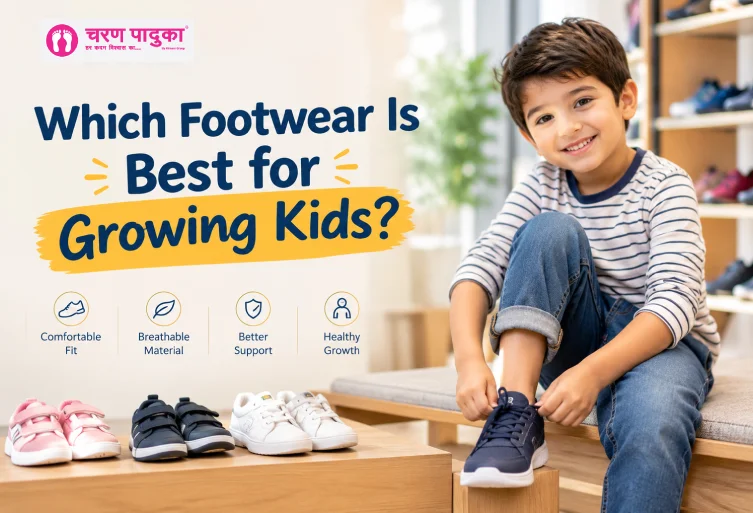
Which Footwear Is Best for Growing Kids?
Choosing the right footwear for growing kids is important because children need comfortable shoes for…