
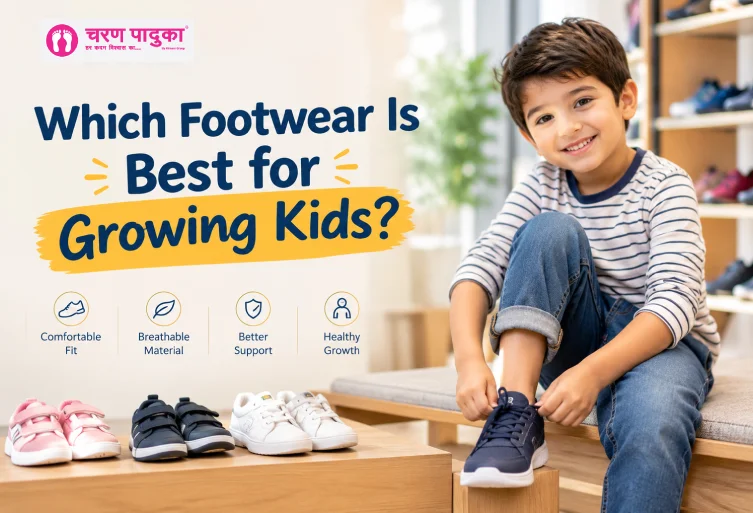
Choosing the right footwear for growing kids is important because children need comfortable shoes for school, outdoor play, walking, and everyday activities. As their feet grow, parents should pay attention to shoe size, flexibility, breathability, and overall fit instead of choosing footwear based only on appearance. Shoes that are too tight can squeeze the toes, while oversized footwear may slip and make walking uncomfortable. The ideal pair should allow natural movement, provide suitable protection, and stay securely on the feet throughout the day. For parents looking for kids’ footwear in Ajmer, selecting shoes that suit the local weather and a child’s daily routine can make shopping easier. Whether you need school shoes, casual footwear, or sports shoes, comfort and proper fitting should always come first.
What Is the Best Footwear for Growing Kids?
The best footwear for growing kids is lightweight, comfortable, breathable, and properly fitted, with enough room for the toes and a sole suitable for the child’s activities. Children’s feet need space to move naturally, so avoid shoes that squeeze the toes or feel excessively narrow around the front. A comfortable shoe should hold the heel securely without rubbing against the skin or allowing the foot to slide around during walking. Flexible soles can support natural movement, while a suitable grip helps children walk and play more confidently on everyday surfaces. However, footwear should not be so soft or flimsy that it fails to provide appropriate protection for the activity. Parents should also consider the child’s age, foot shape, and daily routine before choosing a particular design. Breathable materials such as mesh, cotton canvas, and suitable leather can help keep children’s feet comfortable, especially when they wear shoes for several hours at school. Adjustable fastenings, including Velcro straps and laces, help secure the footwear and reduce unnecessary movement inside the shoe. Velcro can be particularly convenient for toddlers who are learning to put on their shoes independently, while laces may suit older children who can tie them properly. The shoe’s interior should feel smooth, with no rough seams or edges that cause irritation. Parents should remember that expensive footwear is not automatically the best choice; a reasonably priced pair with a good fit may be more suitable than a fashionable shoe that causes discomfort. A completely flat or zero-drop sole is not essential for every child, so focus on appropriate fit, comfort, and the intended use. Children also need different footwear as they grow and become more active. Babies who are not yet walking independently generally do not need structured outdoor shoes, while toddlers benefit from lightweight footwear that allows comfortable movement and protects their feet outdoors. School-age children need suitable school shoes for classroom use and may benefit from sports shoes for running, physical education, and playground activities. Older children who participate in specific sports should use footwear designed for those activities when appropriate. Parents can read the American Academy of Pediatrics’ guidance on shoes for active toddlers for further information. Ultimately, the best shoes are those that fit the child’s feet properly and support the activities they perform every day.
How to Choose the Correct Shoe Size for Growing Kids
Choosing the correct size is one of the most important parts of buying footwear for growing kids. Children’s feet can grow quickly, particularly during their early years, so a shoe that fitted comfortably a few months ago may no longer provide enough space. Parents should not rely entirely on the size printed on an old pair because sizing can vary between brands and designs. Whenever possible, measure both feet while the child is standing and wearing the type of socks they will normally use with the shoes. Use the larger foot as a guide and check both length and width to ensure the footwear does not feel tight. There should be appropriate space in front of the longest toe, but the shoe should not be so large that the foot slides forward during movement. When trying on new shoes, ask the child to wear both shoes, fasten them properly, and walk around for a short time. Check whether the heel stays comfortably in place and whether the toes can move without being squeezed. Pay attention to the child’s walking pattern and ask if any part of the shoe feels uncomfortable. Younger children may not always explain discomfort clearly, so look for repeated adjustments, unusual walking, or reluctance to wear the footwear. Avoid buying shoes that are much larger than the child’s current size simply to make them last longer, as an insecure fit can make walking less comfortable. If the child develops blisters, persistent red marks, or complaints of tightness, reassess the fit and consider whether the shoe design is suitable. Parents should also inspect the footwear regularly rather than waiting for the child to complain. Check for worn soles, damaged fastenings, tight toe areas, and rough interior surfaces that may cause irritation. In Ajmer, children may spend considerable time walking to school, playing outdoors, or attending activities, so everyday comfort deserves particular attention. A pair that works well for short outings may not be suitable for several hours of continuous wear if it lacks an appropriate fit or comfortable construction. Sports shoes should match the child’s activity, while school shoes should meet school requirements without squeezing the feet. For additional information about children’s foot health, consult the NHS guide to leg and foot problems in children. If your child experiences persistent foot pain, limping, or difficulty walking, seek advice from a qualified healthcare professional rather than relying only on changing shoe sizes.
Common Footwear Mistakes Parents Should Avoid
One of the most common mistakes parents make is purchasing shoes that are too large because they expect their children to grow into them. Although this may seem economical, excessive space can cause the foot to slide inside the shoe and make movement less comfortable. Choosing narrow or pointed footwear for its appearance is another mistake, particularly when it presses against the toes. Heavy shoes, overly stiff soles, and rough interior materials may also cause unnecessary discomfort during everyday activities. Parents do not need to purchase the most expensive footwear or assume that every child requires special arch support or a particular sole design. Instead, they should look for appropriate sizing, a comfortable interior, suitable grip, and secure fastening. Another important consideration is choosing footwear according to the activity. Flip-flops may be suitable for brief use in appropriate settings, such as around a pool, but they are generally not ideal for running, school, or active playground games. Similarly, formal shoes may work for special occasions without being suitable for long walks or sports. Hand-me-down footwear should be checked carefully for correct sizing, damaged soles, loose fastenings, and worn interior surfaces before another child uses it. Parents should also avoid assuming that a shoe remains suitable simply because it looks clean and attractive. If the toes feel cramped, the heel slips, or the sole is badly worn, it may be time for a replacement. Proper footwear care can help families get more use from their purchases while maintaining everyday comfort. Remove dust and dirt with a soft brush or cloth, follow the manufacturer’s cleaning instructions, and allow damp shoes to dry naturally in a well-ventilated area. Clean socks and regular foot washing can help maintain foot hygiene, particularly during Ajmer’s warmer months. Check the stitching, lining, straps, and soles periodically to identify damage before it becomes a problem. If your child has multiple suitable pairs, alternating them can allow each pair to air out between uses. However, even well-maintained footwear should be replaced when the child outgrows it or the shoe becomes unsuitable for its intended activity.
Where to Find Footwear for Growing Kids in Ajmer
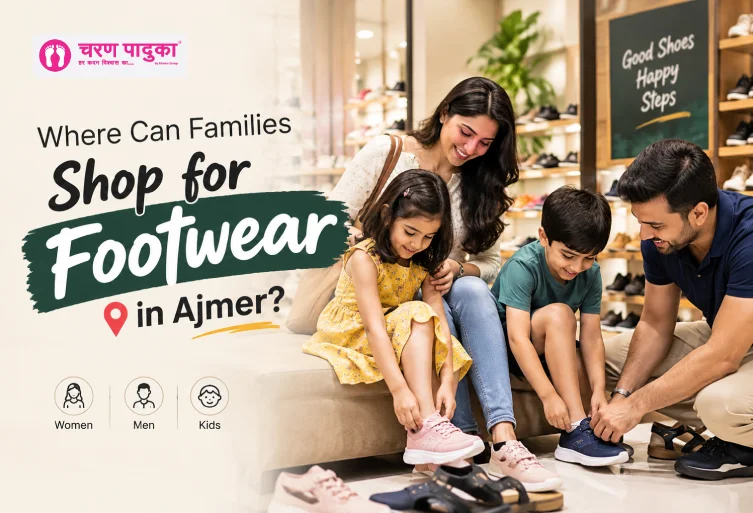
Parents searching for footwear for growing kids in Ajmer should choose shoes according to their child’s age, foot shape, and everyday requirements. Before shopping, consider whether you need school shoes, casual footwear, sandals for suitable occasions, or sports shoes for outdoor activities. This makes it easier to compare practical options without being distracted by appearance alone. Look for a comfortable fit, adequate toe room, breathable materials, secure fastenings, and soles suitable for the intended activity. Involving children in choosing colours and designs can make shopping more enjoyable, provided comfort and fit remain the main priorities. Families should also consider how long the child will wear the shoes each day and whether the design is appropriate for local weather conditions. Charan Paduka is a family footwear destination located at Shop No. 1, opposite Plaza Cinema, Padav, Ajmer, Rajasthan – 305001. Parents can visit the store to enquire about available kids’ footwear options alongside footwear collections for ladies and gents. Whether you are replacing outgrown school shoes or looking for comfortable footwear for everyday use, checking the fit carefully will help you make a more informed decision. You can explore the official Charan Paduka website to learn more about the store. Choosing footwear should not be about finding the most expensive or fashionable pair; it should be about selecting shoes that fit properly and suit the child’s daily activities. With regular size checks and attention to comfort, parents can make more practical footwear choices as their children grow.
Frequently Asked Questions
Have questions? We’ve answered some of the most common queries to help you understand the topic better.
Q1. Which footwear is best for growing kids?
Lightweight, breathable, properly fitted shoes with a roomy toe box and secure fastening are suitable for most everyday activities.
Q2. How often should I check my child's shoe size?
Check the fit regularly, especially during early childhood, and whenever the shoes begin to feel tight or uncomfortable.
Q3. Should I buy shoes one size bigger?
Avoid excessively large shoes. Choose a comfortable fit with appropriate toe room and a secure heel.
Q4. Are sports shoes good for everyday use?
Yes, provided they fit correctly and suit the child’s routine. Some sports may require specialised footwear.
Q5. Where can I find kids' footwear in Ajmer?
Visit Charan Paduka at Shop No. 1, opposite Plaza Cinema, Padav, Ajmer, Rajasthan, to enquire about available footwear op
Post a comment Cancel reply
Related Posts
What Features Should You Look for in Durable Kids’ Shoes?
Children are always on the move. From running around school playgrounds and playing with friends…