When buying footwear, most people focus on its design, colour, price, and appearance. However, one of the most important factors that determines how comfortable and long-lasting a shoe will be is its sole. The sole comes into direct contact with the ground, supports body weight, absorbs walking impact, and provides grip on different surfaces. Its material, thickness, flexibility, and construction influence how your feet feel during everyday activities. Understanding Shoe Materials & Quality helps you choose footwear that offers the right balance of comfort, support, and durability rather than selecting a pair based only on appearance. Whether you are purchasing casual shoes, formal footwear, sandals, or sports shoes in Ajmer, paying attention to sole quality can make a noticeable difference in your everyday walking experience.

Why Does Shoe Sole Quality Matter for Comfort and Durability?

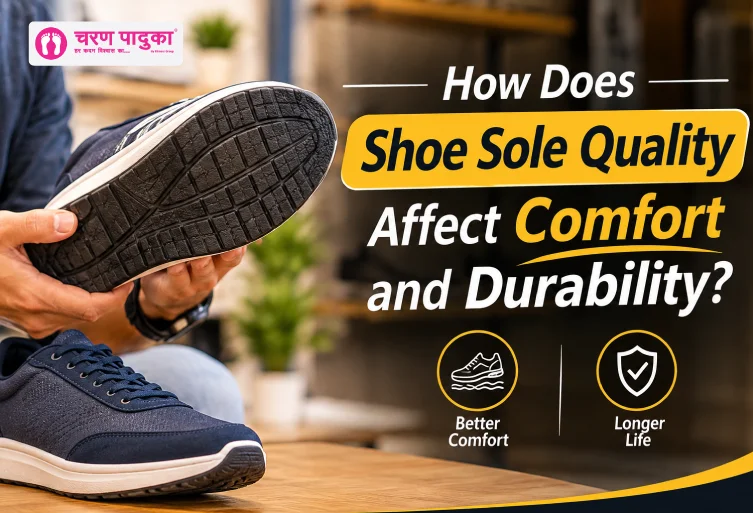
A shoe sole does much more than protect your feet from the ground because it influences almost every step you take. During walking, the sole experiences repeated pressure, friction, bending, and contact with different surfaces, making its construction important for everyday performance. Good-quality Shoe Materials & Quality provide a suitable combination of cushioning, flexibility, grip, and strength, helping footwear remain comfortable during regular use. A poorly constructed sole may become flat, lose its grip, develop cracks, or separate from the upper part of the shoe after repeated use. These problems can affect walking comfort and may make footwear unsuitable for continued use. For people in Ajmer who regularly walk through markets, shopping areas, workplaces, and outdoor locations, choosing footwear with a suitable sole can improve everyday comfort. Therefore, sole quality deserves as much attention as shoe design, size, and overall appearance. Sole quality affects comfort in several important ways. Materials such as EVA and polyurethane provide cushioning that helps absorb some of the impact created while walking on hard surfaces. Proper cushioning can make footwear feel more comfortable for people who spend several hours standing or walking, although the shoe must also provide adequate stability. Extremely soft soles may compress too much under body weight, while excessively rigid soles can restrict natural foot movement. A balanced sole should offer suitable flexibility and support according to the footwear’s intended purpose. Its tread pattern and material also influence traction, which is particularly important when walking on wet pavements or uneven outdoor surfaces. Good pressure distribution, appropriate cushioning, and reliable grip together contribute to a more comfortable walking experience.

Different Shoe Sole Materials and Their Impact on Quality

Different types of footwear use different sole materials depending on their intended purpose, construction, and comfort requirements. Some materials are lightweight and designed to provide cushioning, while others offer greater resistance to friction and repeated contact with outdoor surfaces. Understanding Shoe Materials & Quality makes it easier to compare footwear and select an option according to your daily activities. EVA, PU, rubber, TPR, TPU, and leather are commonly used materials, each offering different advantages and limitations. No single material is ideal for every shoe because casual footwear, formal shoes, sports shoes, and sandals have different performance requirements. The material should always be considered alongside sole construction, tread design, and overall shoe fitting. Here is how commonly used sole materials differ.

  • EVA (Ethylene Vinyl Acetate): EVA is lightweight, flexible, and commonly used in sports shoes, casual footwear, and sandals. It provides cushioning that can make shoes comfortable for everyday walking. However, softer EVA compounds may gradually compress with repeated use, reducing their original cushioning.
  • PU (Polyurethane): PU offers a combination of cushioning, flexibility, and resistance to wear. It is commonly used in casual and formal footwear because it can provide comfortable support while maintaining its structure. Its performance depends on the formulation and manufacturing quality.
  • Rubber: Rubber soles are popular for their grip, flexibility, and abrasion resistance. They are useful for footwear that regularly comes into contact with roads, pavements, and outdoor surfaces. Some rubber soles may feel heavier than lightweight foam alternatives.
  • TPR (Thermoplastic Rubber): TPR is used in casual shoes and sandals because it can provide flexibility, grip, and practical everyday performance. Its actual durability depends on the compound and sole construction.
  • TPU (Thermoplastic Polyurethane): TPU is used in selected sports and performance footwear because of its strength and resistance to abrasion. It can provide structural support and is sometimes combined with softer materials for better cushioning.
  • Leather: Leather soles are traditionally used in selected formal and premium footwear. They offer a classic appearance but may require additional care and can provide less traction on wet surfaces than suitable rubber outsoles.

When choosing between these materials, consider how frequently you will wear the shoes and where you will use them. For everyday walking, cushioning and flexibility may be important, while outdoor footwear may require better grip and abrasion resistance. A good-quality sole is not necessarily the softest, thickest, or most expensive option; it is the one that suits your requirements and provides reliable performance.

How to Choose Durable and Comfortable Shoe Soles in Ajmer

Choosing footwear in Ajmer requires considering your daily routine, walking distance, and the surfaces you regularly encounter. People who travel to work, visit local markets, attend social gatherings, or spend several hours outdoors may need footwear that balances cushioning, grip, and durability. During warmer months, lightweight footwear can feel more convenient, while the monsoon season makes outsole traction particularly important. EVA and PU soles can be suitable when cushioning and lightweight comfort are priorities, whereas rubber outsoles may be preferable when grip and resistance to surface wear are important. TPR can also be a practical option for selected casual shoes and sandals, depending on its construction. Instead of choosing footwear simply because it looks attractive, compare its sole material, flexibility, fitting, and intended use. Before purchasing, examine the sole carefully and check whether it feels appropriate for the type of footwear. Look at its thickness, but remember that a thicker sole does not automatically mean better quality or longer durability. Gently test its flexibility where the design allows, and inspect the bottom for grooves and tread patterns that influence ground contact. Check the edges where the sole joins the upper part of the shoe, as uneven finishing or visible gaps may indicate construction problems. Most importantly, try both shoes and walk around to see whether your heel stays secure, your toes have enough room, and the footwear feels balanced. These simple checks help you understand Shoe Materials & Quality before making a purchase. Durability also depends on how well the sole resists everyday friction, compression, and environmental conditions. Quality rubber and suitable PU compounds can offer good resistance to regular surface wear, while some softer foam materials may compress more quickly. Repeated exposure to moisture, excessive heat, and unsuitable storage conditions can also affect certain sole materials. The connection between the sole and the upper is equally important because weak bonding can cause separation even when the sole material itself is reasonably strong. For everyday footwear in Ajmer, select a sole according to your regular walking requirements instead of expecting one pair to perform equally well for every activity. Proper cleaning, natural drying, and suitable storage can further help maintain footwear in good condition.


How Can You Maintain Shoe Soles to Improve Their Lifespan?

Even good-quality footwear needs proper maintenance because daily use gradually exposes the sole to dust, dirt, moisture, and friction. Regular cleaning helps prevent mud and debris from accumulating in the tread patterns and around the edges. If your footwear becomes wet, allow it to dry naturally in a ventilated area instead of placing it directly under intense sunlight or near a heat source. Store shoes in a clean, dry place to reduce unnecessary exposure to moisture and excessive heat. It is also useful to avoid wearing the same pair continuously when you have other suitable footwear available, allowing shoes to dry between uses. Inspect the soles occasionally for cracks, uneven wear, loose edges, and changes in their original shape. These simple habits can help preserve footwear condition and allow you to identify damage before it becomes more serious. If you notice that the sole has become excessively flat, lost its tread, or started separating from the upper, consider getting the footwear inspected by a professional repairer. However, replacement is advisable when damage affects walking stability or grip. Remember that maintenance cannot restore a sole that has reached the end of its useful life, but it can help you get better use from footwear that remains in suitable condition. Choosing appropriate Shoe Materials & Quality at the time of purchase and taking care of your footwear afterwards are both important for long-term value.

Where Can You Find Quality Footwear in Ajmer?

Finding suitable footwear becomes easier when you can examine different designs, compare their construction, and try them before purchasing. A local footwear store allows you to check sole flexibility, walking comfort, fitting, and finishing instead of depending entirely on online photographs or product descriptions. For customers searching for comfortable and durable footwear in Ajmer, Charan Paduka offers footwear options for ladies, gents, and kids, with an emphasis on comfort, style, and everyday practicality. With over three decades of experience, the store understands the importance of helping customers explore footwear according to their individual preferences and requirements. Whether you need casual shoes, formal footwear, sandals, or everyday footwear for family members, you can compare available options and pay attention to their material and sole construction. Visit Charan Paduka, Shop No. 1, Opp. Plaza Cinema, Padav, Ajmer, Rajasthan – 305001, to explore footwear options and select a pair that suits your everyday needs.

Final Thoughts

Shoe sole quality plays an important role in determining how comfortable, stable, and durable your footwear will be. Materials such as EVA, PU, rubber, TPR, TPU, and leather offer different benefits depending on their construction and intended use. However, material alone does not determine quality because cushioning, flexibility, tread design, sole attachment, and proper fitting are equally important. For customers purchasing footwear in Ajmer, the best approach is to look beyond appearance and price by examining the sole and trying the footwear before making a decision. Understanding Shoe Materials & Quality helps you select footwear that matches your walking habits and everyday requirements. At Charan Paduka, customers can explore footwear options for different needs while keeping comfort, style, and durability in mind.

Frequently Asked Questions

Have questions? We’ve answered some of the most common queries to help you understand the topic better.

Q1. Which shoe sole material is best for everyday comfort?

EVA and PU are popular choices because they can provide cushioning and flexibility.

Q2. Which shoe sole material is most durable?

Quality rubber and TPU compounds can offer good abrasion resistance, depending on their construction and use.

Q3. Are soft shoe soles better for walking?

Not always. Balanced cushioning, flexibility, and stability are more important than softness alone.

Q4. How can I identify a poor-quality shoe sole?

Check for uneven finishing, weak attachment, visible cracks, and unsuitable flexibility.

Q5. Where can I find quality footwear in Ajmer?

Visit Charan Paduka, Opp. Plaza Cinema, Padav, Ajmer, Rajasthan, for footwear options for ladies, gents, and kids.

Post a comment

Your email address will not be published.

Related Posts