
Buying footwear is not just about choosing an attractive design or finding the right size; it is also about selecting shoes that offer lasting comfort, reliable construction and good value for money. Many people purchase footwear based on its appearance, but the real quality becomes noticeable after weeks or months of regular use. Shoes that initially look attractive may develop loose stitching, damaged soles, uncomfortable inner linings or cracks because of poor manufacturing and low-quality materials. On the other hand, Well-Made Footwear is designed to handle everyday movement while maintaining its shape, comfort and appearance for longer. For customers in Ajmer, Rajasthan, choosing durable footwear is especially important when looking for shoes suitable for daily activities, college, office, shopping and family occasions. A good pair should feel comfortable, fit properly and provide enough support for regular walking. Whether you are purchasing casual shoes, formal footwear, sandals or everyday slippers, understanding a few important quality indicators can help you make a better buying decision. At Charan Paduka, the focus is on helping customers find footwear that brings together comfort, style and durability.

Why Does Footwear Quality Matter When Buying Shoes?

Footwear quality directly affects how comfortable and useful a pair of shoes will be over time. Poorly manufactured shoes may look appealing when new, but weak soles, thin materials and uneven stitching can cause them to deteriorate much sooner than expected. Well-Made Footwear offers better construction, dependable materials and a more balanced design, making it suitable for regular use. When shoes are made with attention to detail, they are more likely to maintain their original structure and provide consistent comfort during walking. Another important reason to choose quality footwear is the support it provides to your feet. Shoes with a suitable footbed, comfortable lining and properly designed sole can make everyday movement easier, especially when you spend long hours standing or walking. In contrast, footwear that bends incorrectly, slips while walking or creates pressure around the toes can become uncomfortable quickly. Quality also influences how well the shoes handle repeated use, friction and exposure to everyday conditions. For people shopping in Ajmer, selecting the right footwear means considering both the purpose of the shoes and the conditions in which they will be worn. A pair intended for office use may require a different construction from footwear used for daily walking or casual outings. Rather than judging shoes only by their price or appearance, examine their materials, finishing, stitching and overall construction. These simple checks can help you identify Well-Made Footwear that offers better long-term value.

Check the Sole Construction, Materials and Stitching

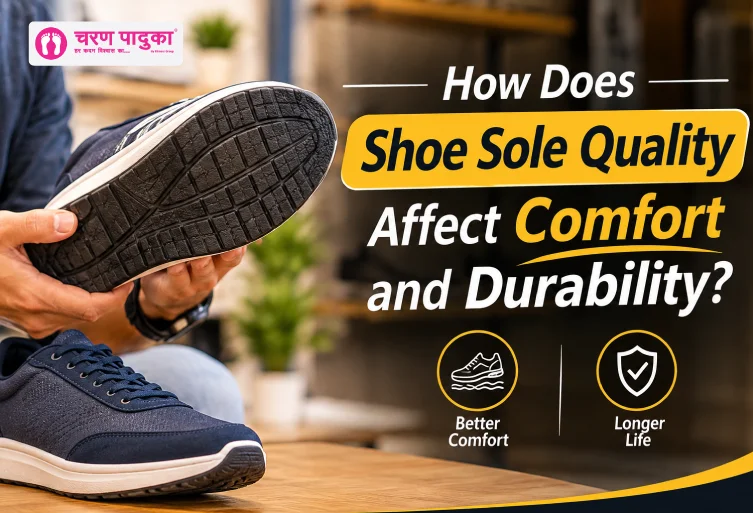
One of the first things to examine when purchasing Well-Made Footwear is how the sole is attached to the upper part of the shoe. The sole receives repeated pressure every time you walk, so its attachment plays an important role in the overall durability of the footwear. Some higher-quality leather shoes use construction methods such as Goodyear welt stitching or Blake stitching, which mechanically connect different parts of the shoe and can make certain designs easier to repair. Shoes that rely entirely on adhesive may be more vulnerable to sole separation when exposed to repeated movement, moisture or heat, although good-quality adhesive construction can also perform well when manufactured properly. You should also examine the material used for the upper portion of the footwear. Full-grain and top-grain leather are commonly used in premium leather shoes because they offer durability and can develop a distinctive appearance with use when maintained correctly. For other types of footwear, high-quality synthetic materials, durable textiles and properly finished uppers can also provide good performance. Avoid judging a material only by its shine or thickness; check whether it feels consistent, whether the surface is properly finished and whether there are visible signs of peeling or weak bonding. The inner lining deserves equal attention because it remains in contact with your feet throughout the day. A comfortable, breathable lining can help reduce friction and make shoes more pleasant to wear for extended periods. Reinforced heel counters and toe areas are also useful because these parts experience repeated pressure during walking and putting on or removing shoes. Strong construction around these areas helps the footwear retain its shape and reduces the chances of early damage. Stitching is another important sign of manufacturing quality. Look for straight, evenly spaced stitches with no loose threads, broken sections or unfinished edges. The stitching should look consistent around important joining points, especially where the upper material meets other parts of the shoe. Excessive glue marks, crooked seams and poorly finished edges may indicate that less attention was given to the manufacturing process. When checking Well-Made Footwear, examine both shoes carefully because the left and right pairs should have similar finishing and construction quality. The outsole should also be appropriate for the intended use of the footwear. A well-designed outsole generally provides a suitable balance of grip, flexibility and resistance to everyday wear. Check whether the tread pattern is clearly formed and whether the sole feels stable rather than excessively thin or flimsy. For daily-use footwear, a dependable outsole can make a noticeable difference in how well the shoes handle repeated walking on different surfaces. Remember that the best sole material depends on the shoe’s purpose, so durability should always be considered alongside comfort and grip.

Examine the Shape, Flexibility and Overall Comfort

A good-quality pair of shoes should maintain a balanced shape when placed on a flat surface. Before buying, place both shoes next to each other and compare their appearance, height and overall structure. The left and right shoes should look symmetrical, with no unusual differences in the sole, toe shape or heel alignment. Well-Made Footwear should not look collapsed, twisted or poorly assembled when it is not being worn. A stable structure is important because it helps the shoes maintain their intended fit and appearance during regular use. Flexibility is another factor worth checking, but it does not mean that softer shoes are always better. A suitable shoe should bend naturally around the ball of the foot, where your foot normally flexes during walking. If the sole is excessively stiff, movement may feel restricted, while footwear that bends or twists too easily may not provide the support needed for its intended purpose. Different footwear categories have different flexibility requirements, so compare the construction with the activity for which you plan to use the shoes. Comfort should always be checked before making a purchase. Try both shoes and walk a few steps to understand how they feel around your toes, heel and sides of the feet. Your toes should have enough room to move without pressing against the front of the shoe, and your heel should feel secure without excessive slipping. Pay attention to any uncomfortable pressure points because footwear that feels painful in the store is unlikely to become a good everyday choice simply through regular use. The footbed and inner cushioning also contribute to the overall wearing experience. Good cushioning can improve comfort, but it should not make the shoe feel unstable or excessively soft. The correct choice depends on your foot shape, daily routine and the amount of walking you do. For people who spend several hours outside their homes in Ajmer, choosing Well-Made Footwear with a comfortable fit, suitable cushioning and dependable construction can make everyday activities more convenient.

How Long Should Good-Quality Footwear Last?

The lifespan of footwear depends on several factors, including material quality, manufacturing, frequency of use, walking conditions and maintenance. A well-constructed pair of everyday or casual shoes may last approximately 1.5 to 3 years with regular use, although this is only a general estimate rather than a guarantee. Shoes worn every day may experience faster sole wear, lining damage and cushioning compression than pairs used occasionally. The same footwear may also last longer when rotated with other pairs and cleaned according to the material’s requirements. Athletic and walking shoes have a different lifespan because their cushioning and support materials gradually compress with repeated use. Even when the outer material still looks good, the cushioning may lose its original performance after considerable walking or exercise. Therefore, it is important to check the condition and comfort of these shoes rather than judging them only by their appearance. If the sole becomes uneven, the cushioning feels compressed or the shoe no longer provides a comfortable fit, it may be time to replace it. High-quality leather footwear with repairable construction can potentially last five to ten years or longer when properly maintained. However, this depends on the quality of the original materials, how frequently the shoes are worn and whether repairs are carried out when needed. Some stitched leather shoes can be resoled by an experienced cobbler, allowing the upper portion to remain in use after the original outsole wears down. This is one reason why construction methods and repairability matter when purchasing premium footwear. For customers comparing Well-Made Footwear in Ajmer, it is useful to think beyond the initial purchase price. A slightly more expensive pair may offer better value if its materials, comfort and construction are suitable for long-term use. At the same time, an expensive label does not automatically guarantee quality. Always examine the actual product, check its fit and consider whether it is appropriate for your daily activities. Choosing footwear based on genuine construction quality is a more practical approach than relying only on brand names or promotional claims.

Simple Ways to Make Your Footwear Last Longer

Even Well-Made Footwear requires proper care to maintain its appearance and performance. Regular cleaning is one of the simplest ways to prevent dirt, dust and stains from damaging the materials. Use a soft brush or suitable cleaning cloth to remove surface dust, and choose cleaning products according to whether the footwear is made from leather, synthetic material, suede or fabric. Avoid using harsh chemicals or excessive water because these can affect the surface finish, adhesives and overall material quality. Allow your shoes to dry naturally if they become wet during use. Keeping damp footwear in direct sunlight or exposing it to excessive heat can cause certain materials to become brittle, shrink or lose their shape. If the shoes become wet inside, remove the insoles if they are removable and allow sufficient time for the footwear to dry completely. Storing shoes in a dry, ventilated place also helps prevent unpleasant odours and moisture-related damage. Another useful habit is to rotate your footwear instead of wearing the same pair every day. Giving shoes time to air out between uses can help reduce moisture buildup and allow cushioning and lining materials to recover. You should also avoid wearing footwear for activities it was not designed for, as this can cause unnecessary stress on the sole and upper material. For example, formal shoes may not be the best choice for extended outdoor walking or rough surfaces. Check your shoes occasionally for early signs of damage, including loose stitching, worn-out tread, separated soles and damaged heel areas. Addressing minor problems early may prevent them from becoming more serious. Leather footwear may also benefit from suitable conditioning products when recommended for its specific finish. With regular cleaning, careful storage and timely repairs, you can help your Well-Made Footwear remain comfortable and presentable for longer.

Find Comfortable and Durable Footwear at Charan Paduka, Ajmer

Choosing the right footwear becomes easier when you know what to examine before making a purchase. Instead of focusing only on the latest designs, consider the quality of the upper material, sole construction, stitching, flexibility and overall fit. These details can help you identify shoes that are better suited to everyday use and offer a comfortable wearing experience. Whether you need casual shoes for daily activities, formal footwear for work, sandals for regular outings or comfortable footwear for your family, choosing according to your needs is always important. Charan Paduka understands that footwear is an essential part of everyday life, and the right pair should offer a suitable combination of comfort, style and durability. If you are looking for footwear in Ajmer, Rajasthan, explore the available collections at Charan Paduka and choose according to your preferred style and requirements. Take time to check the fit, inspect the finishing and select materials that suit your intended use. A thoughtful buying decision can help you enjoy your footwear more comfortably while getting better value from your purchase. Remember, Well-Made Footwear is not simply about an expensive price tag or an attractive design. It is about dependable construction, suitable materials, comfortable fitting and proper maintenance. Paying attention to these details before purchasing can help you choose footwear that supports your everyday routine and stays useful for longer.

Frequently Asked Questions

Have questions? We’ve answered some of the most common queries to help you understand the topic better.

Q1. What are the signs of Well-Made Footwear?

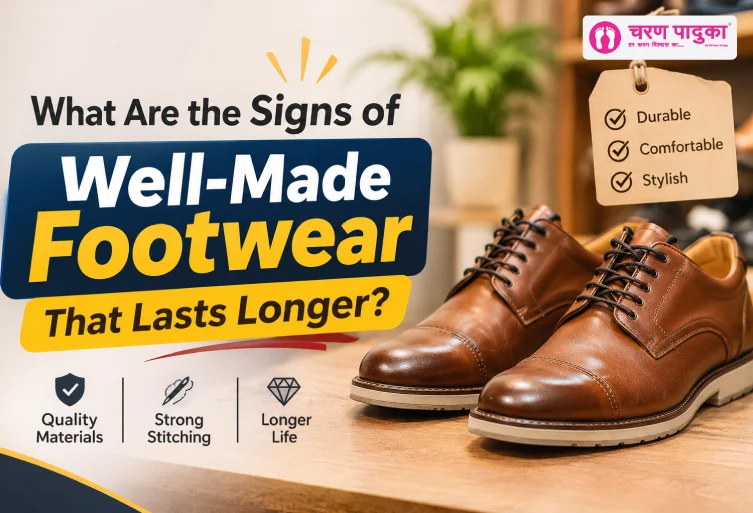
Well-Made Footwear has strong sole construction, quality materials, neat stitching, comfortable lining, balanced flexibility and properly finished edges.

Q2. How can I check the quality of shoes before buying?

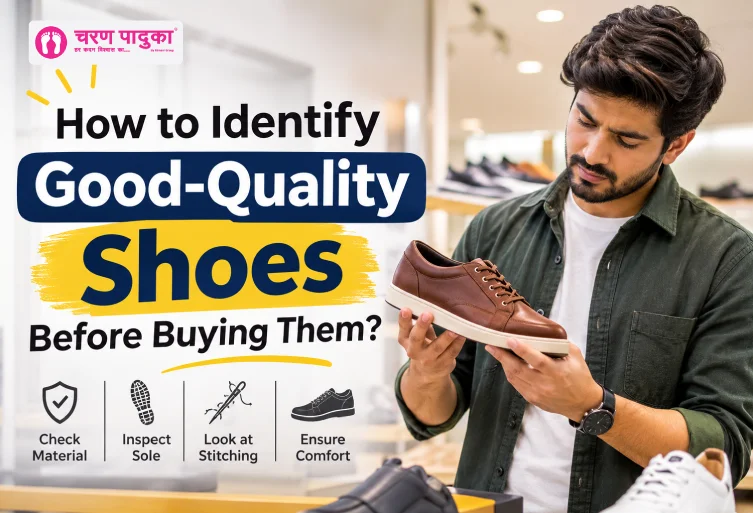
Check the stitching, sole attachment, upper material, inner lining and overall shape. Try both shoes and walk a few steps to check the fit.

Q3. How long does good-quality footwear last?

Everyday footwear may last around 1.5–3 years, while well-maintained, resoleable leather shoes can last 5–10 years or longer.

Q4. Are stitched shoes more durable than glued shoes?

Stitched construction can offer stronger mechanical attachment and better repairability, although quality adhesive construction can also be durable.

Q5. Where can I buy quality footwear in Ajmer?

You can explore different footwear styles at Charan Paduka, located at Padav, Ajmer, Rajasthan.

Post a comment

Your email address will not be published.

Related Posts